Asus ZenBook Pro 15 UX580GE-E2032T Laptop vs MSI Katana A17 AI B8VE-884IN Gaming Laptop
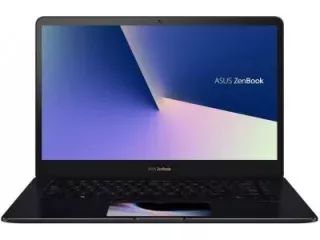
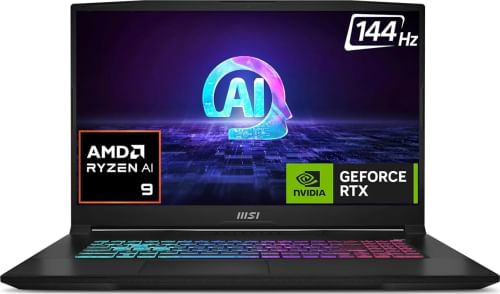
Quick Comparison
| Name | Asus ZenBook Pro 15 UX580GE-E2032T Laptop | MSI Katana A17 AI B8VE-884IN Gaming Laptop |
| RAM | 16 GB | 16 GB |
|---|---|---|
| Display | 15.6 in | 17.3 in |
| Processor | Intel Core i9 | AMD Ryzen 9 |
| Graphics Card | NVIDIA Geforce GTX 1050Ti | NVIDIA GeForce RTX 4050 |
| Price | Rs. 197999 | Rs. 115990 |
Related Products
Detailed Comparison
Price And Launch
The cost of Asus ZenBook Pro 15 UX580GE-E2032T Laptop is Rs. 197999. The cost of MSI Katana A17 AI B8VE-884IN Gaming Laptop is Rs. 115990.
Display comparison
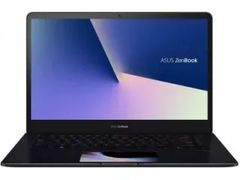
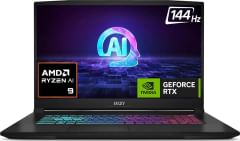
Asus ZenBook Pro 15 UX580GE-E2032T Laptop has screen size of 15.6 in inches which falls short to MSI Katana A17 AI B8VE-884IN Gaming Laptop's 17.3 in inch screen. Asus ZenBook Pro 15 UX580GE-E2032T Laptop has Ultra HD LED Backlit Wideview Glare Touch Display Screen type whereas MSI Katana A17 AI B8VE-884IN Gaming Laptop has IPS-Level Screen type. Asus's laptop has display density of 282 PPI & MSI's laptop has only 127 PPI display density
Memory comparison
Both Laptops have 16 GB RAM.
Processor Comparison
First Laptop has Intel Core i9 processor whereas second laptop has AMD Ryzen 9. Asus ZenBook Pro 15 UX580GE-E2032T Laptop has CPU Cache of 12 MB which falls short to MSI Katana A17 AI B8VE-884IN Gaming Laptop's 16 MB cache.
Related Comparisons
Full Comparison
| Name | Asus ZenBook Pro 15 UX580GE-E2032T Laptop | MSI Katana A17 AI B8VE-884IN Gaming Laptop |
| General | ||
| Country of Origin | China | |
| Series | ZenBook Pro 15 | Katana A17 AI |
| Model | UX580GE-E2032T | B8VE-884IN |
| Utility | Performance | Performance |
| Device Type | Netbook | Netbook |
| OS | Windows 10 Home (64-bit) | Windows 11 Home (64-bit) |
| Dimensions | 398 x 273 x 25.2 mm | |
| Weight | 1.88 kg | 2.7 kg |
| Warranty | 1 year Warranty | 2 years Warranty |
| Display | ||
| Type | Ultra HD LED Backlit Wideview Glare Touch Display | IPS-Level |
| Touch | Yes | No |
| Size | 15.6 inches | 17.3 inches |
| Resolution | 3840 x 2160 pixels | 1920 x 1080 pixels |
| PPI | ~ 282 PPI | ~ 127 PPI |
| Refresh Rate | 144 Hz | |
| Anti Glare Screen | No | Yes |
| Features | 45% NTSC | |
| Connectivity | ||
| Ethernet | Gigabit Ethernet | Gigabit Ethernet |
| WiFi | IEEE 802.11ac | AMD RZ616 Wi-Fi 6E |
| Bluetooth | v5 | v5.3 |
| USB Ports | 2 x USB Type-C, 2 x USB 3.0 | 1 x USB Type-C, 2 x USB 3.0, 1 x USB 2.0 |
| USB Port Details | 1x Type-C (USB3.2 Gen1 / DP), 2x Type-A USB3.2 Gen1, 1x Type-A USB2.0 | |
| HDMI | 1 x HDMI Port | 1 x HDMI 2.1 Port |
| Card Reader | SDXC Card Reader | |
| Fingerprint Sensor | Yes | |
| Microphone In | Yes | Yes |
| Headphone Jack | Yes | Yes |
| Input | ||
| Camera | VGA Webcam | Yes |
| Keyboard | Illuminated Chiclet Keyboard | 4-Zone RGB Gaming Keyboard with Copilot Key |
| Keyboard Backlit | Yes | Yes |
| Touchpad | Precision Touchpad Technology | Yes |
| Inbuilt Microphone | Built-in Array Microphone | 1x Mic-in |
| Speakers | Built-in Speakers | Build-in Dual speakers |
| Sound | 2x 2W Speaker, Nahimic 3 Audio Enhancer, Hi-Res Audio Ready | |
| Optical Drive | No | No |
| Processor | ||
| Processor | 8th Gen Intel Core i9 8950HK | 8th Gen AMD Ryzen 9 8945HS |
| Speed | 6 x 2.9 GHz (Turbo Speed upto 4.8 GHz) Cores | 8 x 4 GHz (Turbo Speed upto 5.2 GHz) Cores |
| Cores | Hexa Core, 12 Threads | Octa Core, 16 Threads |
| Cache | 12 MB | 16 MB |
| Brand | Intel | AMD |
| Series | Core i9 | Ryzen 9 |
| Model | 8950HK | 8945HS |
| Generation | 8th Gen | 8th Gen |
| Chipset | Intel HM370 | |
| Process Node | TSMC 4nm FinFET | |
| Graphics | ||
| GPU | NVIDIA Geforce GTX 1050Ti | NVIDIA GeForce RTX 4050 |
| Dedicated Memory | GDDR5 4 GB | GDDR6 6 GB |
| GPU Clock Speed | Upto 1.98 GHz | |
| Brand | NVIDIA | NVIDIA |
| Memory | ||
| RAM | 16 GB DDR4 | 16 GB DDR5 |
| RAM Bus Speed | 2400 MHz | 5600 MHz |
| Maximum RAM Supported | Upto 64 GB | |
| RAM Slots | 2 | |
| Solid State Drive | 1 TB SSD | 1 TB SSD |
| SSD Interface | NVMe PCIe Gen4 | |
| Battery | ||
| Battery | 8 Cell Battery | 53.5 Wh, 3 Cell Battery |
| Adapter Type | 200W Adapter | |
| Battery Backup | Upto 9.5 hours | |
| Battery Details | 53.5 WHrs Li-ion | |
| Extra | ||
| Sales Package | Laptop, Battery, Power Adaptor, User Guide, Warranty Documents | |
| Other Features | Firmware Trusted Platform Module (fTPM) 2.0 | |